
Our parents are typically our biggest supporters growing up. Or at least we hope they are.
The relationship children have with their parents has a huge impact on virtually every aspect of the rest of their lives. If they don’t feel loved by their mother and/or father, it can lead to problems trusting others and forming lasting relationships.
Loving parents provide their children with consistent support and develop that trust without even realizing it. There are lots of tips and tricks to help people become good parents. Some people may feel stressed about doing big things for their child and feel like they don’t have enough time or money, but children don’t need grand gestures to feel loved. There are small, loving things parents can do that have an even bigger, more positive impact.
Children never forget when their parents do these small, loving things for them
1. Saying, “Have a nice day!”
This simple statement may not seem like much when you say it, but it can make a huge difference. My mom used to say a version of this to me before school when I was growing up. She told me to “make today the best day”, which always made me wonder what I could do to make it better than the day before.
Ask the children to have a good day encouraging them to practice mindfulness. It encourages them to consider actions they could take to create more pleasant experiences. By letting your child know that you want them to have a good day, you’re also reminding them to make it one for themselves. This makes children feel supported because they know you want them to enjoy every moment.
2. Take them shopping with you
 Syda Productions via Canva
Children’s bodies grow more than at any other time in their lives. They need food to support their development and sustain themselves. Unfortunately, children cannot always go to the grocery store themselves. They usually need a parent to go with them.
Loving parents remember to buy enough food to support a growing child and make sure it’s relatively healthy by keeping their child full of nutrients instead of junk food.
When they take their children to the grocery storethey show their children that they enjoy and value their company, and they also have the opportunity to teach them how they make food choices and why. Grocery shopping is a great way for kids to learn several lessons, including budgeting and healthy meal choices, and also allows them to gain some independence by letting them make some of the choices for themselves.
3. Get them ready for school
Many adults have come to work only to realize they forgot the one thing they needed for the day. If you need a certain folder for a big presentation but left it at home, your boss might think you’re unprepared or haven’t completed your assignments.
This is similar to the thinking of teachers with children in their classes who show up to school unprepared. Children often forget things at home because they are quiet develop their working memory. Parents who help their children be prepared for the day by checking that they have done their homework and that their backpacks are packed make it easier for their children to get through each day. If their children play sports, they can also check to make sure their child’s jersey and cleats are packed. This ensures that their child is prepared for every part of their day.
Children may not remember every morning you got them ready, but they will remember the overall feel of the morning routine. They will remember to feel supported every day before they go out and experience the world themselves.
4. Going to their games
When children are involved in a particular sport or leisure activity, there are more occasions when their parents can come and watch them in action. It can be a regular game or a recital. Regardless of the nature of the event, parents who participate ensure that their child feels supported. Knowing that someone is in the stands to support them is a great way to boost their confidence.
The event may last an hour, but your child will remember you there long after. They may even perform better because they feel less anxious knowing their parents are there.
5. Planning play dates
 kate_sept2004 from Getty Images Signature via Canva
The way we interact with other children in childhood has a great effect on our adult relationships. Children without friends often find it difficult to form close bonds later in life.
Plan play dates for your children can help them form friendships which lasts throughout their school year. This can make them feel more confident in their ability to connect with others and form friendships. Also, if it lasts for years, they may feel confident in their ability to be a good friend. Bad friends typically do not maintain consistent friendships.
A child may forget the playdate, but they won’t forget the effort you put in. When they see their healthy friendships later in life, they’ll know who to thank.
6. Read them bedtime stories
Reading your children bedtime stories can create lasting memories between you and your child. I still remember all the books my mother used to read to me again and again. It was a great way to end my day because I was next to the person who protected me the most in the world. It was a small consolation before I fell asleep.
When a child feels safe and comfortable in their room, they can get a better night’s sleep. This can help them feel more energized and focus better on school or activities the next day. It could also teach them the benefits of a good night’s sleep that carry into adulthood.
When you combine a good night’s sleep with a good story, kids might have one easier to learn to readalso. They are energetic enough to learn to read, and they probably also have a stronger desire to learn. If they are interested in the stories you read, they may want to read more books on their own.
7. Do their hair
Most of the time it is mothers who do their children’s hair before going to see people. This can help the child feel more confident in their physical appearance. It can do that too help them learn to care by himself.
Additionally, a hair care routine can make them feel reassured. When my parents divorced, I cried every time my dad told me he didn’t know how to braid. Eventually he learned, and it meant more to me than he probably realizes. It reassured me that everything was okay after the divorce and that my life could still look normal.
If you are a single father with a daughter, I cannot stress enough the importance of doing this. But even if two parents are raising children together, having a little help can reassure the child that there are people there to support them. It reminds them that even in difficult moments, their parents still care enough to take a minute to do something as seemingly insignificant as braiding a child’s hair.
8. Help with homework
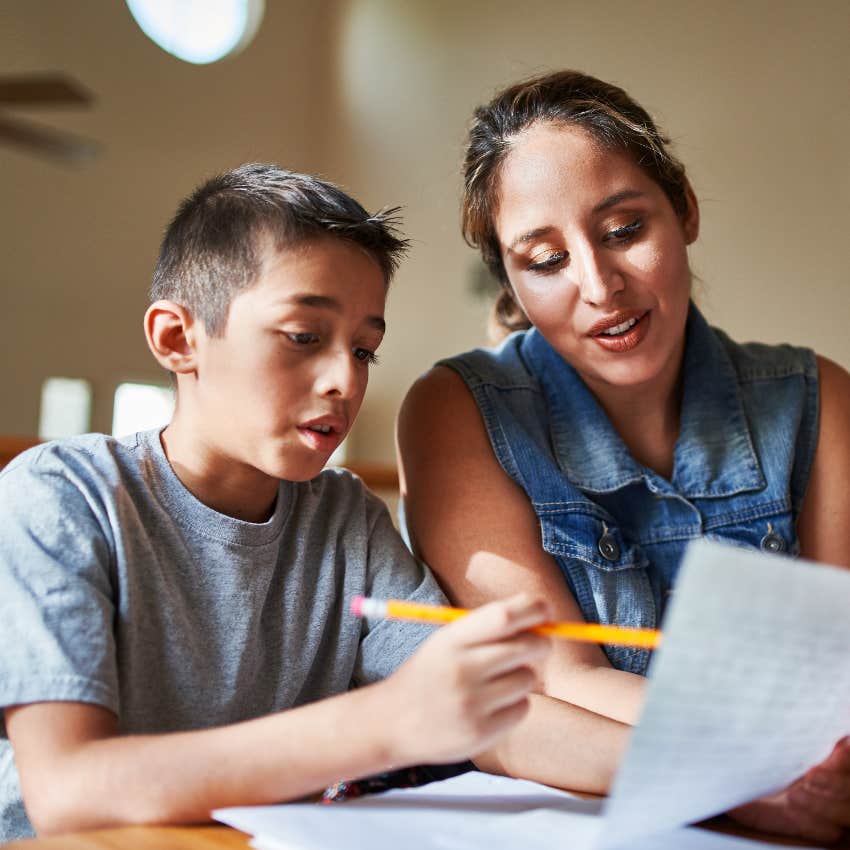 Joshua Resnick via Canva
Helping your child do homework doesn’t mean they have to get all the answers right. It just means you’re there to push them to do better. Good parents know that everyone makes mistakes and accept where their child is. Being allowed to make mistakes can take some of the pressure off school. This can make your child feel less anxious when taking tests or answering questions in class.
It also means you can see where they are improving. Loving parents usually celebrate the seemingly small things around school, like getting a better grade on a test than one they took before. A parent who celebrating their child’s academic progress makes their child feel validated in their efforts and confidence in themselves.
9. Taking an interest in their hobbies
Parents who take an interest in their children’s activities can form a healthier bond with their children. When a parent does not do this, they will find that they spend less time with their child. They do two separate activities and cut back on their time together during the parents’ free time. They may also feel excited about your interest in their activity and talk to you more so that you can discuss it.
This can help a parent and child bond over an activity. It can do that too make a child feel supported in their interests. When a respected parent expresses interest in their activity, they can feel more confident about their interest and continue to pursue it.
Lily Bell is a university student studying English and publications covering relationships, mental health and personal narratives around the human experience.